
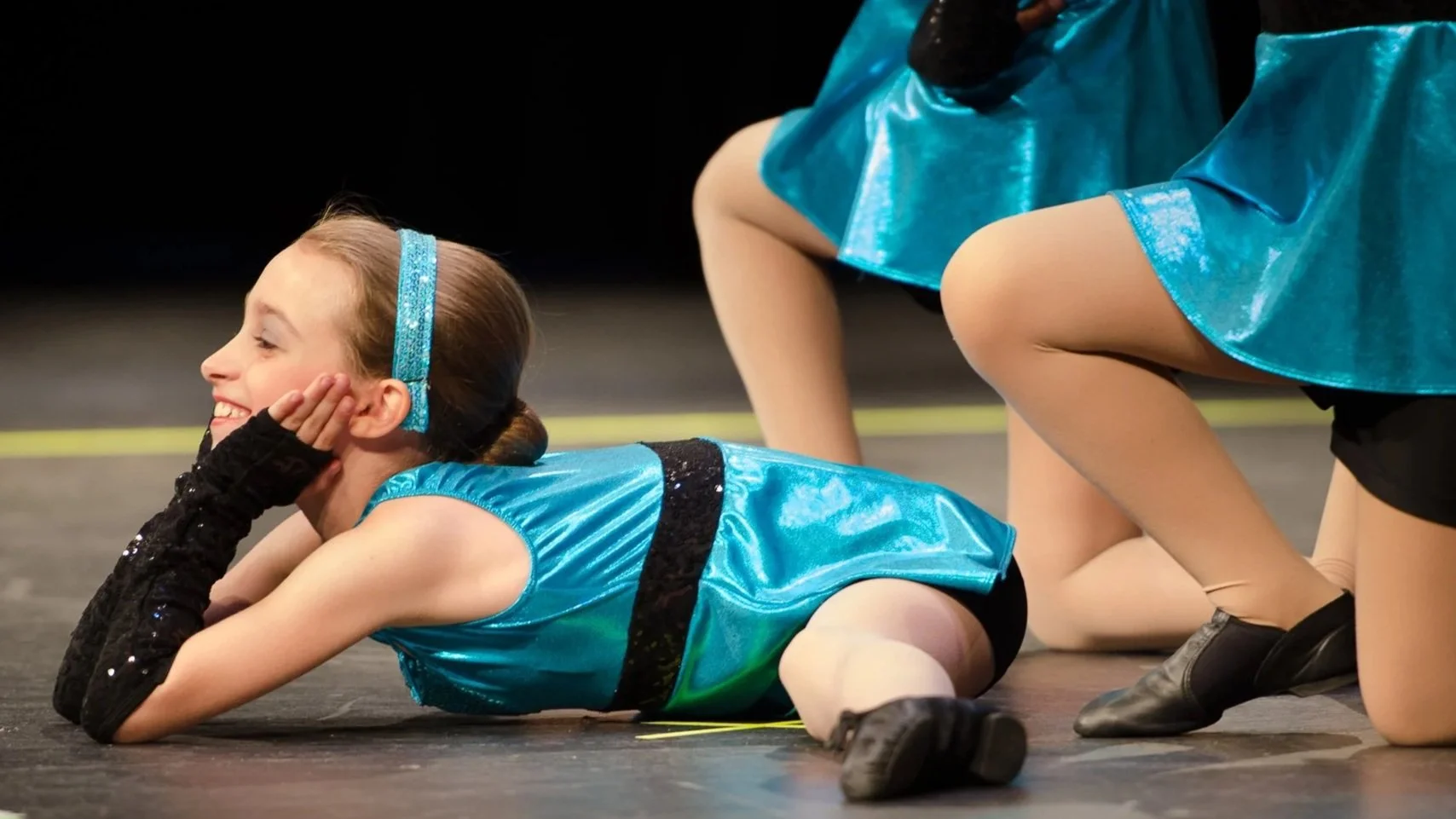
Why Two Classes Are Better Than One
Many families start with one class and discover that a second one makes everything click faster. Certain combinations reinforce each other in ways that genuinely accelerate skill development and the benefits extend well beyond the studio. Here's what we've seen work beautifully together.

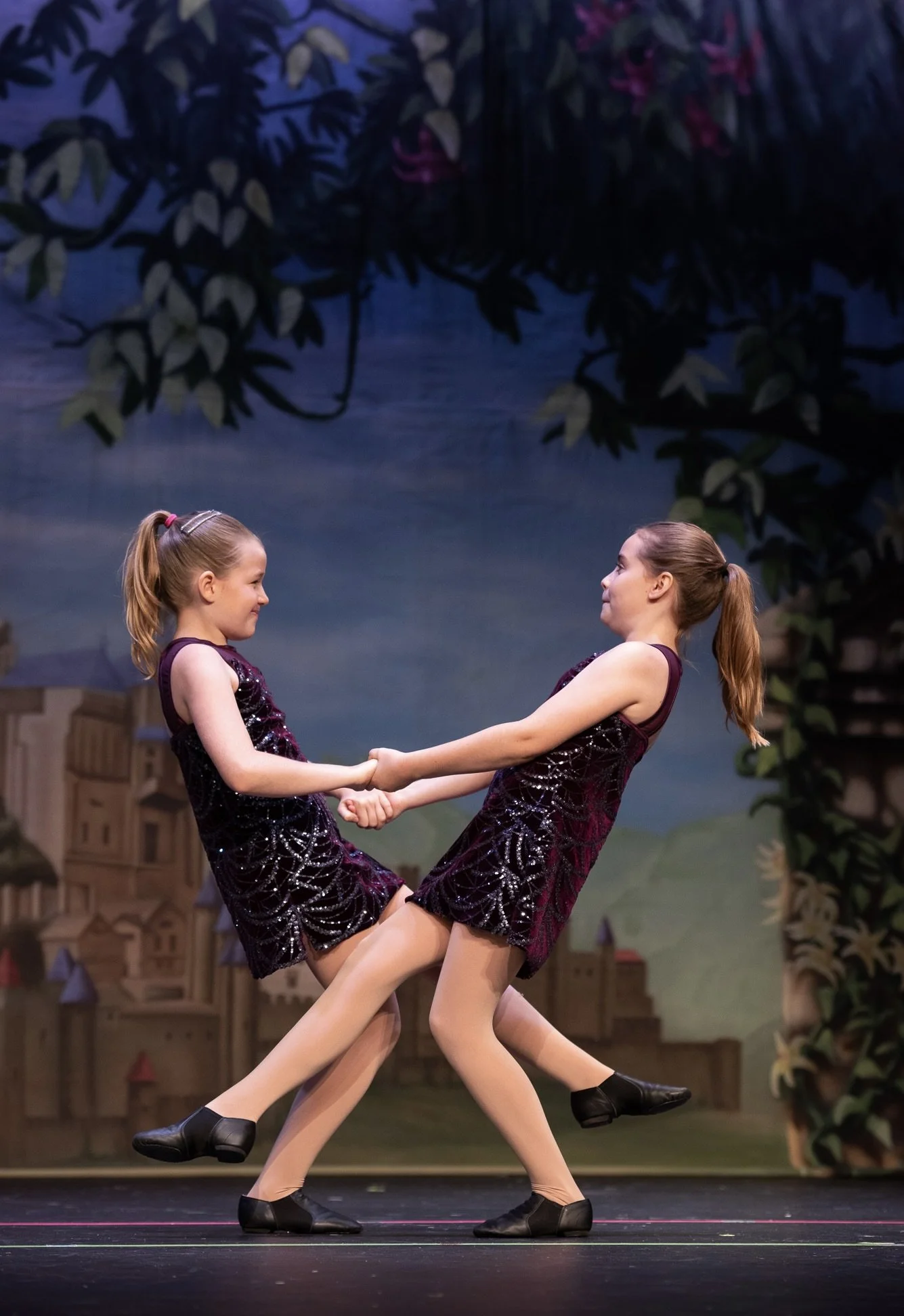
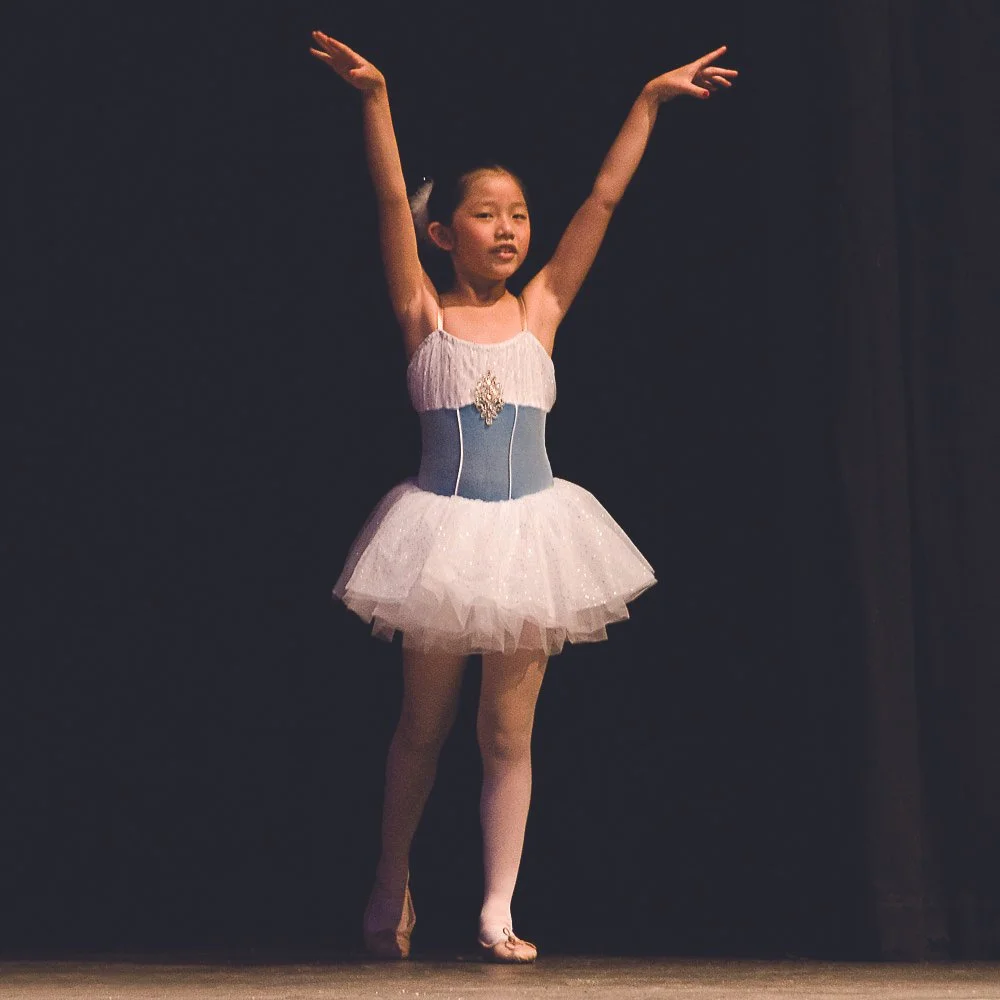
Ballet + Jazz — The Foundation & The Fire
Ballet builds the technical foundation that makes jazz shine, and jazz gives ballet students the performance energy that brings their technique to life. Together they develop well-rounded dancers who are both precise and expressive. Progress in both tends to be faster than in either alone.
Each style accelerates the other. Ballet technique makes jazz cleaner and more controlled. Jazz performance energy makes ballet more alive and engaging. Students in both consistently develop faster than those taking either class alone.
Discipline and freedom in balance. Children who experience both structured technique and expressive movement develop confidence in a wider range of situations in the studio, in school, and socially.
Strong physical foundation. Ballet's emphasis on alignment and body awareness complements jazz's athleticism beautifully, supporting coordination, agility, and injury prevention.
Ballet + Tap — Precision Meets Rhythm
Ballet and tap both emphasize exactness, but they develop it in completely different ways. Ballet trains the eye and body; tap trains the ear. Together they build a depth of musicality, and a relationship with rhythm, that neither class achieves on its own.
Musical intelligence from two directions. Ballet teaches children to interpret and respond to music through movement; tap teaches them to create it with their feet. The combination develops an unusually sophisticated sense of rhythm and musical phrasing.
Outstanding physical development. Both styles develop the feet, ankles, and legs in complementary ways, building strength and coordination that carries directly into sports and everyday movement.
Cognitive flexibility. Moving between ballet's sustained, flowing quality and tap's sharp, percussive energy teaches children to shift between different kinds of focus, a skill serving them in school and beyond.
Ballet + Musical Theater — Grace Meets the Stage
Ballet gives students the physical poise and control to carry themselves well on a stage. Musical theater gives them the storytelling skills and performance energy to make audiences feel something. Together they develop students who are genuinely compelling to watch.
Storytelling through a trained body. Musical theater teaches children what to communicate; ballet teaches them how to communicate it beautifully. The combination produces unusually strong performance quality.
Confidence that goes beyond the studio. Children who perform regularly, even in a small studio setting, become comfortable with being seen which is useful in presentations, interviews, and social situations throughout their lives.
Poise and expressiveness together. Ballet builds self-possession and physical awareness; musical theater builds emotional range and character. The two together create well-rounded, confident young performers.
Ballet + Hip-Hop — Classical Meets Contemporary
Ballet and hip-hop may seem like an unlikely pairing, but together they develop something rare: a dancer with genuine range. Ballet builds discipline, physical control, and classical technique while hip-hop builds self-expression, groove, and cultural awareness. Students who study both can move between very different worlds with ease.
Versatility that stands out. Dancers who are at home in both classical and contemporary styles have more options — in class, in performance, and in how they carry themselves.
Two different kinds of confidence. Ballet builds confidence through mastery and precision; hip-hop builds it through self-expression and authenticity. Both are valuable, and together they reinforce each other.
Cognitive adaptability. Moving between two very different movement styles trains children to shift modes and think flexibly — a skill with real applications in academics and problem-solving.
Jazz + Hip-Hop — Double the Energy
Jazz and hip-hop are both rooted in self-expression and performance energy, but they develop it through different techniques and cultural traditions. Together they build dancers who are versatile, confident, and genuinely fun to watch, with a musicality that sets them apart.
Two expressive languages, twice the range. Jazz develops technique-led expression; hip-hop develops instinct-led expression. Students who study both have a wider range of tools for communicating through movement.
Strong rhythmic development. Jazz's syncopation and hip-hop's groove together build a sophisticated understanding of rhythm and musicality that benefits both dance and music learning.
Sustained physical activity kids actually enjoy. Both classes are high-energy and genuinely fun. Children who look forward to class build lifelong habits around physical activity which matters more in the long run than any single skill.
Jazz + Tap — Feel the Music
Jazz and tap both live inside the music: jazz expresses it through the whole body, tap creates it from the ground up. Together they develop a relationship with sound, beat, and musical phrasing that goes beyond what most students experience in a single style.
Musicality from multiple angles. Both styles train children to analyze and respond to rhythm in real time which is a skill connected to language processing, reading fluency, and overall academic language development.
Physical range. Moving between jazz's full-body expressiveness and tap's precise, grounded footwork builds physical adaptability and body awareness that benefit students across all movement activities.
A genuinely joyful combination. Families consistently tell us that students in both jazz and tap seem more energetic and enthusiastic about dance. Both classes are high-fun by design.
Jazz + Musical Theater — Born to Perform
Jazz develops strong technical range and performance energy; musical theater develops character, storytelling, and stage craft. Together they produce students who not only move well but communicate something… that’s what performing is really about!
Movement in service of story. Jazz gives students physical vocabulary; musical theater gives them something to say with it. The combination builds communication skills that extend well beyond the studio.
Performance confidence that lasts. Students who perform regularly (and enjoy it!) carry that comfort with being seen into every area of their lives. This combination tends to produce particularly enthusiastic performers.
Strong ensemble skills. Both styles are deeply collaborative. Students who take both often form some of their closest friendships in these classes, built around shared creativity and the experience of performing together.
Hip-Hop + Musical Theater — Authentic & Expressive
Hip-hop builds confidence in one's own style and identity; musical theater builds the ability to step into a character and tell a story. Together they develop students with strong self-expression and genuine empathy, a combination that serves them well far beyond the dance floor.
Confidence from two sources. Hip-hop says "be yourself"; musical theater says "understand someone else." Together they give children both a strong sense of self and the ability to connect meaningfully with others.
Full engagement: body, voice, and expression. Both styles ask students to show up fully. Children who study both learn to inhabit themselves with confidence in a variety of settings.
Rich cultural exposure. Hip-hop and musical theater each have deep cultural roots and histories. Studying both gives students a genuine appreciation for two distinct American art forms.
Hip-Hop + Tap — Groove Meets Precision
Hip-hop and tap are both fundamentally about rhythm. Tap builds it with precision from the ground up; hip-hop builds it with feel from the inside out. Together they develop a musical intelligence and physical awareness that very few other combinations produce.
Rhythm from two directions. Tap teaches children to create rhythm precisely; hip-hop teaches them to respond to it instinctively. Together they develop an unusually complete musical understanding.
Confidence in different environments. The structure of tap and the freedom of hip-hop together teach students that they can excel in both disciplined and open-ended settings which is a genuinely useful life skill.
Strong lower body development. Both styles work the feet, ankles, and legs intensively and in complementary ways, building strength and coordination that benefits sports and general physical fitness.
Tap + Musical Theater — Pure Showbiz
Tap and musical theater have always belonged together. Broadway has known this for nearly a century. Tap provides rhythm and musicality; musical theater provides character and craft. Together they produce students who are genuinely entertaining and who bring real enthusiasm and personality to everything they do.
The broadest performance toolkit. Rhythm paired with storytelling gives students more expressive range and more tools for connecting with an audience than almost any other combination.
Strong working memory development. Learning tap sequences and musical theater choreography simultaneously challenges and builds the kind of working memory that supports learning across all subjects.
An uplifting combination. Both styles are collaborative and joyful by nature. Families tell us these students tend to be particularly enthusiastic about class, and that energy carries into their week.

Hip-Hop + Lyrical & Contemporary
— The Whole Dancer
Ages 9–12 · Old Town Alexandria
For our older dancers, this is the combination we recommend most. Hip-hop builds external confidence with energy, groove, and physical presence. Our Lyrical & Contemporary class develops emotional depth, artistic range, and the kind of self-awareness that helps young people navigate the complex social world of adolescence. Together they develop students who are strong and expressive, grounded and open.
Important support during a key developmental window. Ages 9–12 is when young people begin forming their identity in earnest. Having both an outward expressive outlet (hip-hop) and an inward one (lyrical and contemporary) during this period supports emotional wellbeing and self-understanding in ways we see reflected in our students every year.
Strength and emotional awareness together. Hip-hop develops physical confidence and self-expression; lyrical and contemporary develop emotional literacy and artistic depth. Students in both tend to be unusually self-possessed for their age.
Exceptional artistic range. Dancers who study both styles develop the ability to move between high energy and quiet, emotionally grounded movement with real fluency. It is a pleasure to watch them grow.
Not Sure Which Combination Is Right for Your Dancer?
Our Dance Style Quiz takes about two minutes and is designed to match your child with the class (or combination) that best fits their age, personality, and the way they love to move.