

With the Olympics coming up, it’s a great time to talk about the benefits of dance for all athletes, from grade school to our Olympians on Team USA.
Dance is more than just fun—it helps children develop coordination, confidence, and a lifelong love of movement. From toddlers to preteens, dance supports the whole child at every stage of growth.
From playful first steps to confident preteen movement, dance supports children’s physical, emotional, and social development at every stage. It isn’t about perfection --it’s about learning to move, grow, and believe in yourself.
Dance training is kind of a secret weapon for a lot of Olympic athletes. Even when it’s not their main sport, it builds skills that transfer surprisingly well.
Body awareness & control
Dance trains athletes to know exactly where every part of their body is in space. That awareness is huge for sports like gymnastics, diving, figure skating, skiing, fencing, and even track starts. Fewer wasted movements, cleaner technique.
Balance and stability
Dancers live on one leg, off-axis, rotating, stopping suddenly. That translates directly to better balance under pressure—think landing a vault, holding a shooting stance, or staying upright through contact.
Explosive power with softness
Dance develops strength and elasticity. Athletes learn to generate power while staying relaxed, which improves jumps, turns, and rapid direction changes while reducing injury risk.
Teamwork
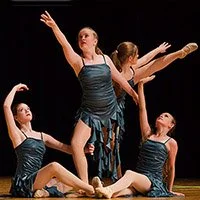
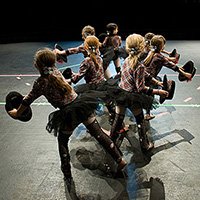
Dancers and successful athletes can move together as a team, read unspoken signals and perform in unison.

Core strength (the sneaky kind)
Not just abs—deep stabilizers in the hips, spine, and torso. This is gold for rotational sports (throwing, rowing, swimming, skating) and for protecting the lower back.
Rhythm and timing
Being able to move on time matters more than people think. Sprinting cadence, swim strokes, synchronized team movements, even fencing attacks all benefit from rhythmic precision.
Mobility without losing strength
Dance builds usable flexibility—range of motion that athletes can actually control at speed. That’s different from passive stretching and hugely important for longevity.
Mental toughness & performance skills
It teaches focus, composure, and performing under scrutiny. Olympic competition is as much psychological as physical, and dancers are trained to execute perfectly while being watched and judged.
Injury prevention and recovery
Better alignment, smoother movement patterns, and improved joint stability mean fewer overuse injuries. Many athletes use dance in rehab because it rebuilds coordination, not just strength.
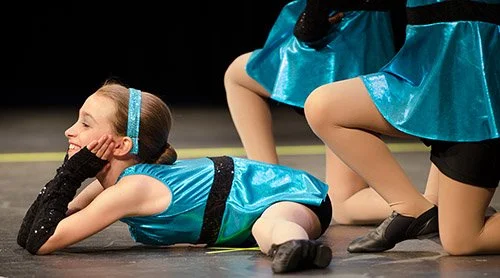
Dance develops cross discipline athleticism
That’s why you see:
Gymnasts doing ballet
Figure skaters in contemporary dance classes
Footballers and sprinters using dance for agility
Even boxers and martial artists training rhythm and footwork through dance
Dance Helps Kids Succeed in Sports and School
Across all age groups, ballet, jazz, hip hop and musical theater classes build movement literacy—the ability to move efficiently, safely, and confidently.
Children who participate in dance often:
Learn sports skills more easily
Have better balance and coordination
Develop focus, memory, and rhythm
Feel confident trying new activities
In short, dance strengthens both the body and the brain, supporting learning inside and outside the studio.
So next time you're watching your dancer perform in our year-end recital, think beyond the few minutes they're on stage and keep in mind the lifelong benefits and skills they're building!